
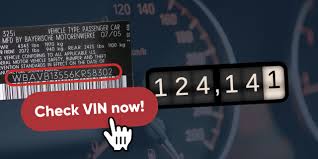
Every vehicle on UK roads has two key identifiers: its registration number and its Vehicle Identification Number (VIN). Most drivers are familiar with their reg plate but far fewer know how to use a VIN — or what it can tell you about a vehicle’s history. This guide explains everything you need to know about VIN checks in the UK, how a vehicle VIN lookup works, and how to use it alongside a free MOT check to get a complete picture of any car.
Thank you for reading this post, don't forget to subscribe!What Is a VIN Number?
A Vehicle Identification Number (VIN) is a unique 17-character code assigned to every motor vehicle at the point of manufacture. No two vehicles in the world share the same VIN — it is the automotive equivalent of a fingerprint.
The VIN is made up of letters and numbers and encodes specific information about the vehicle:
- Characters 1–3: World Manufacturer Identifier (WMI) — identifies the country and manufacturer
- Characters 4–8: Vehicle Descriptor Section (VDS) — identifies the vehicle type, model, and body style
- Character 9: Check digit — used to verify the VIN is valid
- Character 10: Model year — identifies the year of manufacture
- Characters 11–17: Vehicle Identifier Section (VIS) — the manufacturer’s unique serial number for that specific vehicle
Where to find a VIN number on your car:
- On a plate visible through the windscreen at the base of the dashboard (driver’s side)
- On a sticker inside the driver’s door frame
- On the vehicle registration document (V5C logbook) — listed as the “VIN/Chassis Number”
- On the engine block or chassis (on older vehicles)
What Is a VIN Check?
A VIN check (also called a vehicle VIN check, auto VIN check, or car VIN check) is a lookup that uses the 17-character VIN to retrieve official records about that specific vehicle. In the UK, the most common reasons to run a vehicle VIN lookup are:
- Verifying the vehicle’s identity before buying a used car
- Confirming the VIN matches the V5C logbook (mismatches can indicate a stolen or cloned vehicle)
- Checking the vehicle’s manufacturing details and specification
- Cross-referencing with MOT records to confirm the correct vehicle is being tested
VIN Check vs Reg Check — What Is the Difference?
Both a VIN check and a car reg check use vehicle identifiers to retrieve information, but they work differently.
Car reg check (registration number lookup):
- Uses the number plate (e.g. AB12 CDE)
- Returns MOT status, MOT history, tax status, and vehicle details
- Free via the DVSA and via ExpressMot
- Fast — takes seconds
VIN check (vehicle identification number lookup):
- Uses the 17-character VIN (e.g. WAUZZZ8K9BA012345)
- Confirms the vehicle’s factory specification and identity
- Useful for verifying the VIN on a used car matches official records
- Some VIN data is available free; detailed reports may require a paid check
Which should you use? For a quick MOT status check, your own MOT due date, or a fast overview of a vehicle before buying — the free car reg check at ExpressMot is the fastest and simplest option. A VIN check is most valuable as a secondary verification step when buying a used car, to confirm the VIN on the car physically matches the V5C document and DVLA records.
How to Do a Free Vehicle VIN Check in the UK
Step 1 — Find the VIN on the car Locate the 17-character code on the dashboard plate (visible through the windscreen from outside the car) or the door frame sticker. Write it down carefully — VINs contain no letters I, O, or Q to avoid confusion with numbers.
Step 2 — Cross-reference with the V5C The V5C logbook lists the VIN under “VIN/Chassis Number”. Compare the VIN on the car with the one on the document — they must match exactly. If they differ, do not proceed with the purchase.
Step 3 — Run a reg check for the MOT history Enter the car’s registration number at ExpressMot for a free vehicle reg check. This gives you the MOT status, full test history, and mileage records — the fastest way to assess a used car’s condition.
Step 4 — Consider a full paid vehicle check for high-value purchases For cars over a few thousand pounds, a paid check using the VIN or reg can reveal outstanding finance, write-off status, and stolen records. These checks use the same identifiers as the free check but access additional insurance and finance databases.
What a VIN Can Reveal About a Car
Manufacturer and country of origin The first three characters of the VIN identify where the vehicle was made and by whom. For example, VINs starting with “WBA” are BMW vehicles made in Germany; “SAL” indicates a Land Rover made in the UK.
Vehicle specification Characters 4–8 encode the model, body style, engine type, and restraint systems. This can help verify that a vehicle’s specification matches what the seller has advertised — for example, confirming whether a car was originally fitted with a petrol or diesel engine.
Year of manufacture Character 10 identifies the model year. This is useful for confirming the age of a vehicle when the seller’s description is vague or the registration year does not clearly indicate the manufacture date.
Unique identity The final seven characters are unique to that specific vehicle. If you are buying a used car and the VIN on the car does not match the VIN on the V5C, it could mean the car has been re-plated (given the plates of another vehicle), which is a serious red flag often associated with stolen vehicles or insurance write-offs.
VIN Check Red Flags — What to Watch Out For
When inspecting a used car, check the VIN carefully for these warning signs:
VIN plate tampering The VIN plate on the dashboard should be riveted in place and show no signs of damage, re-stamping, or replacement. Any scratches, drill marks, or signs the plate has been removed and refitted should raise serious concerns.
VIN does not match V5C Even a single character difference between the VIN on the car and the VIN on the logbook is grounds to walk away. This is one of the most reliable indicators that something is seriously wrong with a vehicle’s history.
No VIN plate visible All vehicles manufactured after 1983 are legally required to have a VIN plate. If it is missing or obscured, do not buy the car.
VIN with incorrect format A legitimate UK VIN is always 17 characters long and never contains the letters I, O, or Q. A VIN that is a different length or contains these letters is invalid.
MOT Check by VIN — Can You Check an MOT Using a VIN?
In the UK, the DVSA’s official MOT checking service uses the vehicle registration number, not the VIN, as the primary lookup key. So while you cannot directly search DVSA records using a VIN alone, you can use the registration number to retrieve the MOT history — and then cross-reference the VIN shown in those records against the physical VIN on the car.
At ExpressMot, our free vehicle check uses the registration number and returns:
- Current MOT status
- MOT due date
- Full MOT test history
- Mileage at each test
- Vehicle make, model, and colour
This gives you everything you need for a fast used car check. If the vehicle details returned by the reg check match the car you are viewing, and the VIN on the car matches the V5C, you have a strong foundation to proceed with confidence.
Vehicle Lookup UK — A Step-by-Step Guide for Used Car Buyers
Here is the complete process for checking a used car before buying:
- Get the registration number from the seller before you view the car
- Run a free reg check at ExpressMot — confirm MOT status, history, and mileage
- Check the MOT advisory history — look for repeat advisories indicating neglected maintenance
- Verify mileage consistency — compare recorded mileages at each test against the current odometer
- When you view the car, find the VIN on the dashboard plate and door frame
- Compare the VIN to the V5C — they must match exactly
- Check the VIN plate for tampering — look for signs of removal or replacement
- Consider a paid HPI check for finance and write-off data on high-value purchases
Run Your Free Vehicle Check at ExpressMot
Whether you need a quick MOT status check, a full vehicle lookup by registration, or guidance on what to look for when buying a used car — ExpressMot makes it simple and free.
- Free vehicle check → MOT status, history, and mileage by reg number
- Car reg lookup → instant vehicle details from DVSA records
- MOT test booking → book your next MOT online in minutes
- MOT near me → find your nearest DVSA-authorised test centre
Enter your registration number now for your free vehicle check.
ExpressMot — Free vehicle checks, trusted MOT testing, and car repair across the UK.
Internal linking suggestions: